There are some health problems people quietly worry about but hesitate to talk about. A burning feeling while passing urine. Needing the bathroom far too often. A dull ache in the lower back that won’t settle. Or that unsettling moment of noticing something isn’t quite right in the toilet bowl.
If any of this sounds familiar, you’re far from alone and there’s nothing embarrassing about it. Urinary and kidney problems are extremely common, and most are very treatable once they’re properly looked at. The hard part is often simply knowing where to start.
That’s where a good urology care centre in Malad comes in. This guide walks you through what urology actually covers, the problems it treats, the warning signs worth acting on, and how to think about your care all in plain, everyday language.
What Is Urology, Exactly?
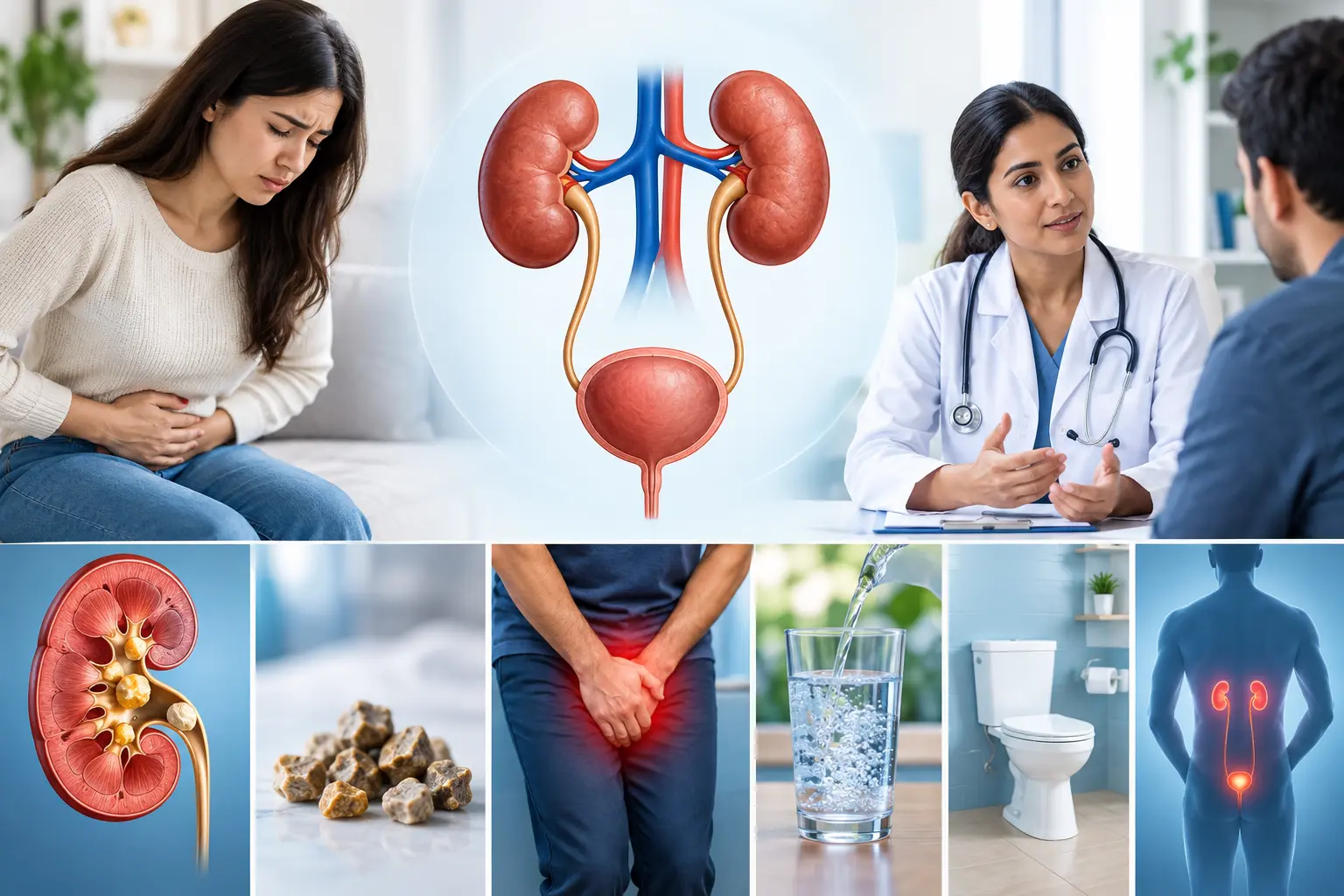
Urology is the branch of medicine that deals with the urinary system and, in men, parts of the reproductive system. In simple terms, it covers the organs that make, store, and pass urine: the kidneys, the ureters (the thin tubes carrying urine from the kidneys to the bladder), the bladder, and the urethra (the tube through which urine leaves the body).
A urologist in Malad East a doctor who specialises in this area diagnoses and treats problems ranging from a simple infection to kidney stones, prostate concerns, and more complex conditions. Some issues are managed with medicine and lifestyle changes; others may need a minor procedure or surgery.
The reassuring part? Many urinary problems that feel frightening at first turn out to be common and manageable once a specialist takes a proper look.
Common Problems Urology Care Handles
You may be surprised how wide-ranging urology is. A urology care centre in Malad typically deals with concerns such as:
- Urinary tract infections (UTIs) causing burning, urgency, and frequent urination
- Kidney stones hard deposits that can cause intense pain as they move
- Prostate problems in men, including enlargement that affects urine flow
- Blood in the urine always worth getting checked, even if painless
- Bladder issues including leakage, urgency, or difficulty emptying
- Recurrent infections that keep coming back
- Kidney health concerns linked to diabetes, high blood pressure, or other conditions
Whatever the specific issue, quality kidney and urinary treatment in Mumbai starts with an accurate diagnosis understanding exactly what’s going on before deciding how to treat it.
Signs You Shouldn’t Ignore
Most urinary symptoms are minor and easily treated. But some deserve prompt attention. It’s worth seeing a doctor if you notice:
- Blood in your urine, whether painful or not
- Severe pain in your side, lower back, or lower abdomen
- Burning or pain every time you pass urine
- Needing to urinate very frequently, especially at night
- Difficulty passing urine, a weak stream, or feeling you can’t empty fully
- Fever alongside urinary symptoms, which can signal a spreading infection
- Being unable to urinate at all this needs urgent care
That last one, and a high fever with back pain, are situations where you shouldn’t wait. Prompt medical attention matters. Everything else is worth booking a consultation for rather than hoping it passes on its own.
A Closer Look at Kidney Stones
Kidney stones deserve their own mention, because the pain they cause is something people rarely forget. A stone is a hard deposit that forms in the kidney from minerals in the urine. Small ones may pass on their own; larger ones can get stuck and cause severe, cramping pain, often on one side of the back.
Kidney stone treatment in Malad depends heavily on the size and location of the stone. Broadly, options include:
- Watchful waiting with plenty of fluids for small stones likely to pass naturally
- Medication to ease pain or help the stone move
- Shock wave treatment (lithotripsy) using sound waves to break a stone into smaller pieces
- Minimally invasive procedures where the stone is reached and removed through very small access points
Which approach suits you is a decision only a qualified doctor can make after examining you and reviewing scans. What helps almost everyone, though, is staying well hydrated a simple habit that lowers the chance of stones forming in the first place.
Prostate and Men’s Urinary Health
For many men, especially after their 50s, the prostate becomes a source of questions. The prostate is a small gland that sits below the bladder, and it commonly enlarges with age a condition doctors call benign prostatic hyperplasia, or BPH.
An enlarged prostate isn’t cancer, but it can squeeze the urine tube and cause a weak stream, frequent trips to the bathroom, or difficulty starting. Good urinary tract and prostate care involves proper assessment, because similar symptoms can have different causes. Some men need only monitoring and lifestyle adjustments; others benefit from medication or a procedure. Regular check-ups also help with early detection of more serious prostate conditions, which is exactly why men are encouraged not to ignore these changes.
How Diagnosis Usually Works
If you’ve never seen a urologist, here’s roughly what to expect, so it feels less intimidating:
- A conversation about your symptoms, history, and any patterns you’ve noticed.
- A urine test to check for infection, blood, or other clues.
- Blood tests, where relevant, to assess kidney function or prostate health.
- Imaging such as an ultrasound or scan, if the doctor needs to see the kidneys, bladder, or stones.
- A clear explanation of what’s happening and your treatment options.
The goal is always to understand the root cause before treating it. A good urologist explains each step in plain language, so you never feel left in the dark about your own body.
What Affects the Cost of Urology Treatment?
Cost is a fair concern, and it genuinely varies from person to person. Rather than a single figure, the final cost of urology treatment in Malad usually depends on factors like:
- The type of consultation and specialist review
- Tests and imaging required to reach a diagnosis
- Whether treatment is medication-based, a minor procedure, or surgery
- The complexity of your specific condition
- Any hospital stay and follow-up care needed
- Medicines prescribed
For exact charges or to check what your insurance covers, it’s best to contact the hospital directly. Understanding these factors upfront helps you plan without unwelcome surprises.
Simple Habits That Protect Your Urinary Health
Not everything is about treatment. A lot of urinary and kidney trouble can be reduced with everyday habits:
- Drink enough water through the day it dilutes urine and helps flush the system
- Don’t hold urine for long stretches when you feel the urge
- Maintain a balanced diet, watching salt and staying mindful if you’re prone to stones
- Manage blood pressure and blood sugar, as both affect kidney health
- Stay active and keep a healthy weight
- Seek care early for infections rather than letting them linger
None of these are dramatic, but together they make a real difference over time.
Finding the Right Care in Malad
For anyone dealing with kidney, bladder, or urinary concerns in Malad, Malad East, or wider Mumbai, having reliable care nearby makes a stressful situation easier. When choosing where to go, it helps to look for accurate diagnosis, clear communication, access to emergency support, and a team that treats you with respect and privacy.
Imperial Hospital & Trauma Centre in Malad East, Mumbai focuses on compassionate, patient-centred care backed by experienced medical professionals, diagnostic facilities, general surgical services, and round-the-clock emergency support. For anyone whose symptoms may need urgent attention, that 24/7 availability close to home is genuinely reassuring.
If you’re specifically looking for urology services, the best step is to confirm the current specialists and treatments available by checking the hospital’s official website or calling directly that way you get accurate, up-to-date information for your exact need.
Conclusion
Urinary and kidney problems are common, often uncomfortable, and almost always easier to deal with than the worry that surrounds them. The most important thing you can do is not stay silent. A burning sensation, blood in the urine, or persistent back pain are your body’s way of asking for attention and getting checked early usually means simpler treatment and faster relief.
If something hasn’t felt right, treat that instinct as a reason to book a consultation rather than a reason to worry. The sooner you understand what’s happening, the sooner you can move past it
If you’ve been putting off a urinary or kidney concern, a short consultation can bring real peace of mind. To learn more or to confirm the urology and diagnostic services available, you can reach out to Imperial Hospital & Trauma Centre in Malad East, Mumbai:
- Phone: +91 7208805148
- Email: helpdesk.ihtcmalad@gmail.com
- Address: Ground Floor, Office No. 2, 7, 8, Sethia Imperial Plaza, Opp. Times of India, Western Express Highway, Malad (East), Mumbai – 400097
- Timings: 9 AM – 5 PM, Monday to Saturday (emergency services available 24/7)
- Website: imperialhospitalandtraumacentre.com
Frequently Asked Questions
1. What does a urology care centre in Malad treat? It handles conditions of the urinary system and, in men, parts of the reproductive system — including urinary tract infections, kidney stones, prostate problems, bladder issues, and blood in the urine.
2. When should I see a urologist? Consider seeing a urologist if you have blood in your urine, burning while passing urine, frequent or difficult urination, severe back or side pain, or recurring infections. Any inability to urinate needs urgent care.
3. Is blood in the urine always serious? Blood in the urine should never be ignored, even when it’s painless. It can have many causes, some minor and some more significant, so it’s always worth getting properly checked.
4. How are kidney stones treated? Treatment depends on the stone’s size and location. Small stones may pass with plenty of fluids, while larger ones might need medication, shock wave treatment, or a minor procedure. A doctor decides the best approach after tests.
5. What causes frequent urination? Frequent urination can result from infections, an overactive bladder, an enlarged prostate in men, diabetes, or simply drinking a lot of fluids. A proper assessment helps identify the exact reason.
6. Are urology problems more common in men or women? Both are affected, but some conditions differ. Women get UTIs more often, while men are more prone to prostate-related urinary issues, particularly with age.
7. Can drinking more water really prevent kidney stones? Staying well hydrated genuinely lowers the risk of stones forming, because it keeps urine diluted. It’s one of the simplest preventive habits for urinary health.
8. Does urology treatment always require surgery? No. Many conditions are managed with medication, lifestyle changes, or minor procedures. Surgery is only considered when it’s the most appropriate option for a particular case.
9. What affects the cost of urology treatment in Malad? Cost depends on the consultation, tests and imaging, the type of treatment, any hospital stay, and the complexity of your condition. Contact the hospital directly for exact charges and insurance details.
10. Does Imperial Hospital & Trauma Centre offer emergency care? Yes, Imperial Hospital & Trauma Centre in Malad East provides emergency services available 24/7. For specific urology services, it’s best to confirm directly via the website or a phone call.