General Surgery Hospital In Mala Few words are as frightening to hear as “you may need surgery.” Whether it’s a nagging pain your doctor wants investigated, a lump you’ve been ignoring, a hernia that’s slowly getting worse, or a sudden emergency like appendicitis, the idea of an operation brings a wave of worry about safety, about recovery, about cost, and about whether you’re in the right hands. If you’re reading this while facing that decision for yourself or a loved one, take a breath. Knowing what to expect makes all the difference.
The reassuring truth is that most general surgeries today are safe, routine, and often done through tiny keyhole incisions with quick recovery. This guide explains, in plain language, what a General Surgery Hospital In Malad does, when surgery is needed, how the process works step by step, and how to make calm, informed decisions. We’ll also share how Imperial Hospital & Trauma Centre supports patients and families across Malad and nearby areas of Mumbai honestly, without hype.
A General Surgery Hospital You Can Trust Nearby
Imperial Hospital & Trauma Centre is a 50-bed super-speciality hospital in Malad (East), Mumbai, offering advanced multispeciality care, 24/7 emergency and trauma services, a modern ICU, and comprehensive in-house diagnostics under one roof. Its General & Laparoscopic Surgical Care Centre is one of several dedicated specialities, focused on both traditional (open) and minimally invasive (laparoscopic, or “keyhole”) surgery.
Surgery is never just about the operation itself it’s about the whole journey: accurate diagnosis, careful preparation, a safe procedure, close monitoring, and a smooth recovery. Having an experienced surgical team, 24/7 emergency access, ICU support, and diagnostics in the same building means all of that can happen in one place, which matters a great deal when you or a family member is anxious and unwell.
What Is a General Surgery Hospital?
General surgery is a broad medical speciality that deals with operations on the abdomen and its organs, the digestive system, the skin and soft tissues, and many other common surgical conditions. A general surgeon is trained to diagnose problems that may need an operation, perform the surgery safely, and manage your recovery.
A dedicated General Surgery Hospital In Malad brings together surgical expertise, a proper operating environment, diagnostic tools, and emergency infrastructure so that both planned and emergency surgeries can be handled with care.
Conditions and procedures commonly managed under general surgery include:
- Hernias (in the groin, navel, or abdominal wall)
- Gallbladder problems, including gallstones
- Appendicitis
- Piles, fissures, and other anorectal conditions
- Abscesses, cysts, and lumps under the skin
- Lipomas and minor swellings
- Certain digestive and abdominal conditions
- Emergency abdominal surgeries
- Wound and soft-tissue procedures
A general surgeon in Malad is the specialist who assesses these problems, advises whether surgery is truly needed, and where suitable performs the procedure using the least invasive approach possible.
Key Benefits of Choosing a Dedicated General Surgery Hospital
Choosing the right hospital for surgery offers real, practical advantages:
- Accurate assessment of whether you actually need surgery and which type
- Access to laparoscopic (keyhole) surgery, which often means smaller cuts and faster recovery
- 24/7 readiness for surgical emergencies that can’t wait
- In-house diagnostics so tests and imaging happen without running around
- ICU and monitoring support for safety before and after the operation
- Coordinated care, from consultation to surgery to follow-up
- Personalised treatment plans based on your condition, age, and health
- Support for families during an understandably stressful time
For residents of Malad and the western suburbs, having a trusted General Surgery Hospital In Malad nearby means less travel and less delay a genuine comfort when facing an operation or an emergency.
Why Choose Specialised Surgical Care
It’s natural to feel unsure about whether surgery is the right step. Sometimes a problem can be managed without an operation; other times, delaying surgery only allows things to get worse a small hernia can grow, gallstones can flare into a painful emergency, and appendicitis can become dangerous if ignored.
A specialised General Surgery Hospital In Malad exists to help you make that decision wisely. A qualified general surgeon can tell the difference between a problem that needs watching and one that needs the operating theatre, and can choose the safest, least invasive approach when surgery is warranted. Getting that expert judgement early gives you clarity and, often, a gentler path to recovery.
How Surgical Care Works: A Step-by-Step Look
If you’ve never had an operation, the process can feel overwhelming. Here’s what it usually looks like at a General Surgery Hospital In Malad, so you know what to expect.
- Consultation and diagnosis. The surgeon reviews your symptoms, examines you, and orders any needed tests such as blood work, ultrasound, or X-ray to confirm the problem.
- Discussion of options. The surgeon explains whether surgery is needed, what type is best (open or laparoscopic), the benefits, and the risks so you can decide with full understanding.
- Pre-surgery preparation. This may include fasting, stopping certain medications, and a fitness check to make sure you’re ready for anaesthesia.
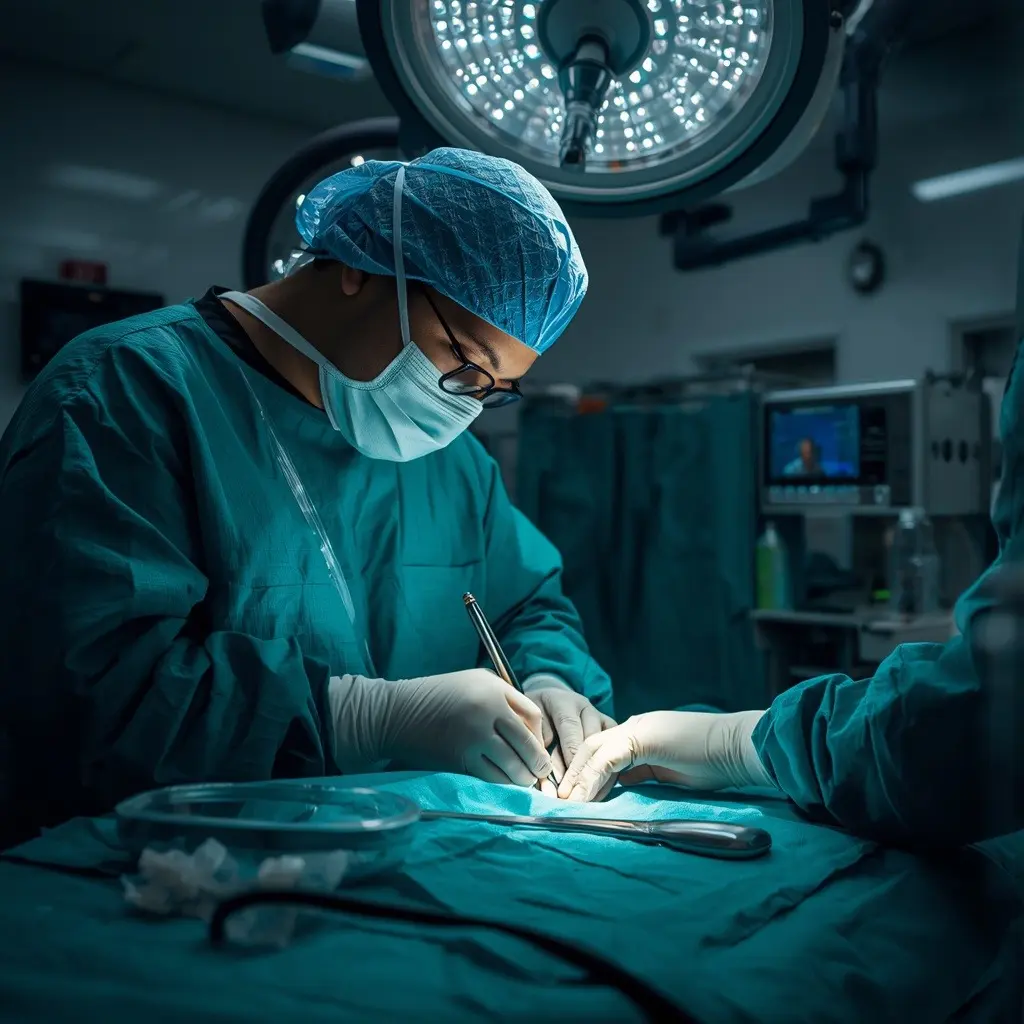
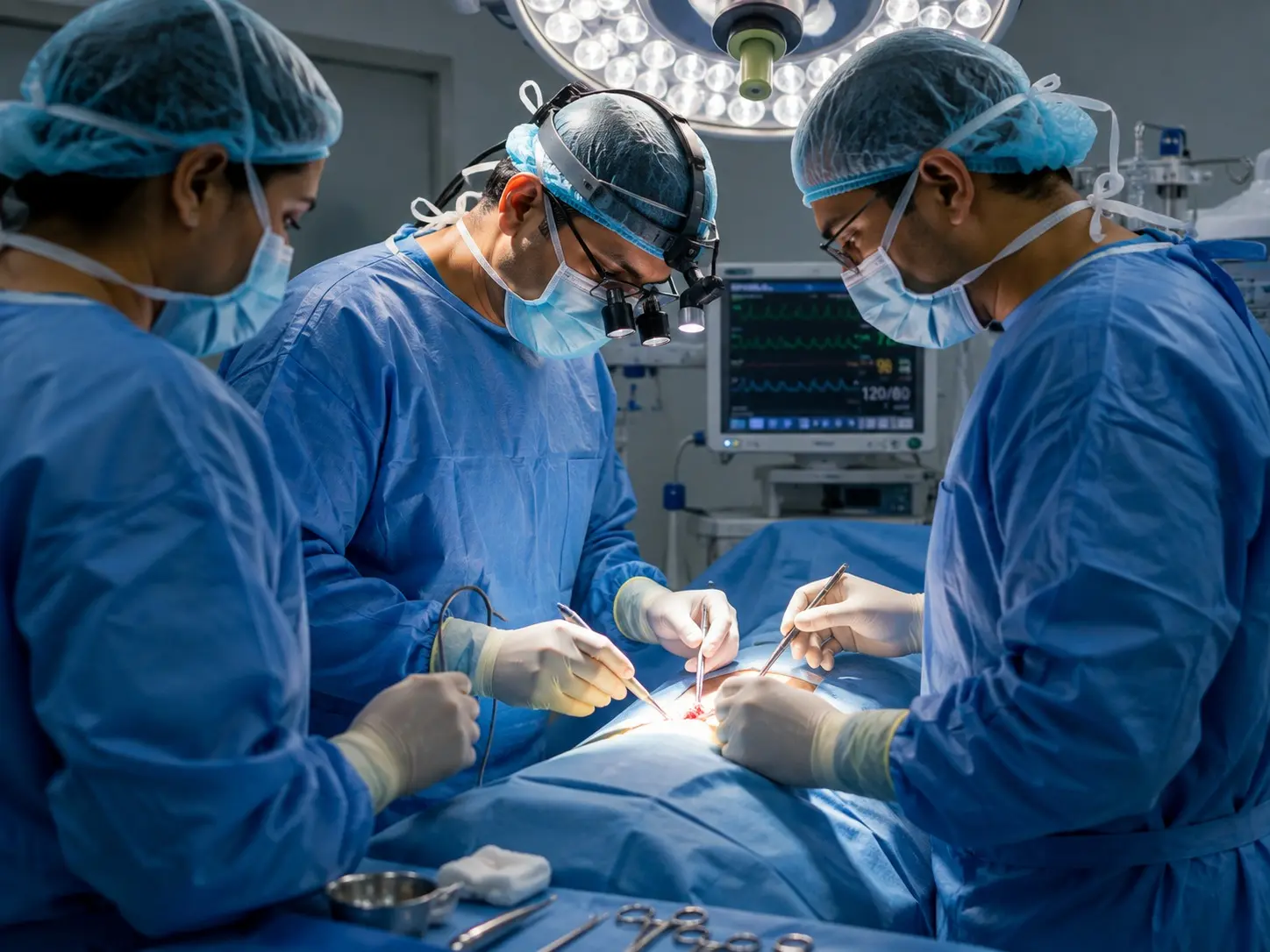
- The procedure. Performed under anaesthesia in a sterile operating theatre. Many general surgeries today use laparoscopic surgery in Malad small incisions and a camera which usually means less pain and quicker healing.
- Recovery and monitoring. You’re observed as the anaesthesia wears off, with ICU support available if your condition needs closer monitoring.
- Discharge and follow-up. The team gives you clear instructions on wound care, activity, diet, and medication, plus follow-up appointments to check your healing.
In an emergency like acute appendicitis or a strangulated hernia this process moves quickly, with rapid diagnosis and urgent surgery. That’s why 24/7 emergency and ICU support matter so much for a General Surgery Hospital In Malad.
Who Is General Surgery Ideal For?
General surgical care is for anyone whose condition may need an operation planned or urgent. Consider consulting a general surgeon in Malad if you or a loved one experiences:
- A visible bulge or lump, especially one that appears on straining (possible hernia)
- Recurring pain in the upper-right abdomen (possible gallstones)
- Sudden, severe pain in the lower-right abdomen (possible appendicitis)
- Persistent lumps, cysts, or swellings under the skin
- Painful piles, fissures, or bleeding
- A non-healing wound or abscess
- Any condition your doctor has advised may require surgery
Sudden, severe abdominal pain especially with fever, vomiting, or a hard, tender belly is an emergency. Don’t wait go to the nearest emergency department, or in Malad, reach a hospital with 24/7 surgical and emergency care.
The Deeper, Long-Term Benefits
Beyond solving the immediate problem, well-done surgery offers advantages that last:
- Lasting relief from pain and symptoms that were disrupting your life
- Prevention of complications treating a hernia or gallstones early avoids dangerous emergencies later
- Faster return to normal life with minimally invasive techniques, when suitable
- Smaller scars and less discomfort from keyhole surgery compared to traditional open surgery
- Better overall health, once a chronic or worsening condition is resolved
- Peace of mind for families, knowing there’s a capable General Surgery Hospital In Malad to rely on
Good surgical care isn’t only about the operation it’s about restoring your quality of life and preventing bigger problems down the road.
Effectiveness and Results: What the Evidence Says
Let’s be honest: outcomes depend on the specific condition, your overall health, and how early treatment happens. No responsible hospital can promise guaranteed results. But modern surgery is remarkably safe and effective for the vast majority of common general-surgery conditions, and medical experience consistently shows that timely, correct surgical treatment leads to better outcomes and fewer complications.
Laparoscopic (keyhole) surgery is a good example of how far things have come. Compared with traditional open surgery, minimally invasive techniques generally offer smaller incisions, less pain, lower infection risk, and a quicker return to daily life which is why laparoscopic surgery in Malad is so widely preferred for suitable cases.
Emergencies like appendicitis also show why timing matters: prompt surgery usually leads to a straightforward recovery, while long delays raise the risk of serious complications. Acting early, with the right team, is one of the best things you can do.
Side Effects and Risks: An Honest Look
Every operation carries some risk, and good care means talking about it openly. Depending on your procedure, considerations may include:
- Anaesthesia effects, such as temporary grogginess or nausea
- Wound-related risks, like infection or slow healing (carefully minimised with sterile technique and good aftercare)
- General surgical risks, such as bleeding, which surgeons take precautions against
- Recovery time, which varies with the type of surgery and your health
- The risk of waiting often the biggest risk is delaying a needed operation, allowing the problem to worsen
A trustworthy General Surgery Hospital In Malad will always explain the risks and benefits clearly, answer your questions, and make sure you feel comfortable before you give informed consent.
How Surgery Compares With Other Options
When facing a condition that might need an operation, people generally weigh a few paths:
- Ignoring it or hoping it resolves. Risky for problems like hernias, gallstones, or appendicitis, which tend to worsen rather than disappear.
- Long-term medication only. Helpful for some conditions, but many surgical problems can only be truly fixed with an operation.
- Traditional open surgery everywhere. Effective, but often involves larger cuts and longer recovery when a keyhole option would have worked.
- A local hospital offering laparoscopic surgery in Malad. Combines surgical expertise, minimally invasive options, emergency readiness, and ICU support close to home often the most practical, comfortable choice.
For many families, a well-equipped local General Surgery Hospital In Malad offers the best balance of expertise, safety, and convenience with the least disruption to your life.
Understanding the Cost of Surgery
Not knowing what surgery will cost is one of the most stressful parts of the whole experience. We won’t quote made-up figures, because the real cost depends entirely on your situation. Instead, here’s what actually shapes the bill so you can plan sensibly:
- The type and complexity of surgery a minor procedure costs far less than a major operation.
- Open versus laparoscopic approach, and the resources each requires.
- Diagnostic tests needed before surgery in-house diagnostics can reduce both cost and hassle.
- Anaesthesia and operating-theatre time.
- Length of hospital stay, including any ICU care.
- Medications and follow-up during recovery.
- Insurance coverage this can significantly reduce your out-of-pocket amount.
Imperial Hospital & Trauma Centre works with a range of health insurance providers, so it’s worth contacting the hospital to verify your coverage before your visit. For a transparent, situation specific estimate, the most reliable step is simply to call and speak with the team they can guide you based on your actual procedure rather than a generic price list.
Pre-Surgery and Recovery Tips
A little preparation makes surgery safer and recovery smoother.
Before your surgery:
- Follow all fasting instructions carefully this is important for safe anaesthesia.
- Tell your surgeon about every medication, supplement, and allergy you have.
- Arrange for someone to accompany you home and help for the first day or two.
- Stop smoking if you can, even briefly it helps healing.
- Bring your reports and a list of questions, and don’t be shy about asking them.
During recovery:
- Follow wound care and medication instructions exactly.
- Rest as advised, but do gentle movement when permitted to aid circulation.
- Eat light, nourishing food and stay hydrated, as directed.
- Avoid heavy lifting and strenuous activity until your surgeon clears you.
- Watch for warning signs increasing pain, fever, or redness around the wound and contact the hospital if they appear.
- Attend all follow-up appointments, even if you feel well.
Is Hospitalisation Needed?
It depends on the procedure. Some minor general surgeries are done as day-care (outpatient) you come in, have the procedure, and go home the same day after observation.
Inpatient admission or ICU support is needed for larger operations, emergency surgeries, or when a patient needs close monitoring before and after the procedure. This is where being a 50-bed super-speciality hospital with 24/7 emergency services and a modern ICU genuinely matters: patients can move safely from consultation to surgery to recovery in one place, without being transferred elsewhere during a vulnerable time.
Your surgeon will always explain why a particular level of care is recommended, so you understand the reasoning behind it.
Why Choose Imperial Hospital & Trauma Centre
When it comes to surgery, families want a place that is both capable and caring. Here’s what Imperial Hospital & Trauma Centre offers as a General Surgery Hospital In Malad:
- A 50-bed super-speciality hospital in Malad (East), with multiple specialities under one roof
- A General & Laparoscopic Surgical Care Centre, offering both open and minimally invasive surgery
- 24/7 emergency and trauma care, so surgical emergencies can be handled at any hour
- A modern ICU, for patients who need close, critical monitoring before or after surgery
- Comprehensive in-house diagnostics, reducing delays during a stressful time
- A patient-first, compassionate approach, with clear communication and dignity for every patient
- A convenient location on the Western Express Highway in Malad (East), easy to reach from across the western suburbs
For anyone searching for reliable surgical care or even the best surgical hospital in Mumbai for their family the combination of local access, laparoscopic capability, emergency readiness, and coordinated care makes a meaningful, practical difference.
Conclusion: Facing Surgery With Confidence, Not Fear
Surgery can feel like a frightening unknown, but understanding the process and having the right team beside you changes everything. Most general surgeries today are safe, routine, and often gentle on the body, especially with modern keyhole techniques. The wisest thing you can do, for yourself or someone you love, is to get an expert opinion early rather than letting a treatable condition worsen.
A trusted General Surgery Hospital In Malad brings together surgical expertise, laparoscopic options, 24/7 emergency support, ICU care, and in-house diagnostics to guide you safely from diagnosis to recovery. You don’t have to face this alone, and you don’t have to travel far to find capable, compassionate care.
If you or a family member has been advised surgery, is dealing with a lump, hernia, gallstones, or abdominal pain or you simply want an expert opinion reach out to Imperial Hospital & Trauma Centre.
- Call us: +91 7208805148
- Visit us: Gr. Floor, Office No. 2, 7, 8, Sethia Imperial Plaza, opp. Times of India, Western Express Highway, Malad (East), Mumbai – 400097
- Book an appointment to consult our surgical team, or come straight to our 24/7 emergency department in an emergency.
In any sudden, severe abdominal pain especially with fever or vomiting do not wait. Seek immediate medical care.
Frequently Asked Questions (FAQs)
1. What does a General Surgery Hospital In Malad treat? A general surgery hospital manages conditions that may need an operation including hernias, gallstones, appendicitis, piles and fissures, lumps and cysts, abscesses, and various abdominal and soft-tissue problems, both planned and emergency.
2. When should I see a general surgeon in Malad? See a general surgeon if you have a bulge or lump (possible hernia), recurring upper abdominal pain (possible gallstones), sudden lower right abdominal pain (possible appendicitis), painful piles or fissures, a non-healing wound, or any condition your doctor says may need surgery.
3. What is laparoscopic surgery, and is it better than open surgery? Laparoscopic surgery in Malad is minimally invasive “keyhole” surgery done through small incisions using a camera. For suitable cases it often means less pain, smaller scars, lower infection risk, and faster recovery than traditional open surgery, though the best approach depends on your specific condition.
4. Is hernia surgery a major operation? Hernia surgery in Malad is one of the most common general-surgery procedures and is often done laparoscopically. Recovery is usually straightforward, but the details depend on the hernia’s size and type, which a surgeon will assess.
5. How is gallbladder surgery performed? Gallbladder surgery in Malad for gallstones is frequently done laparoscopically, removing the gallbladder through small incisions. Most people recover well and can return to normal activities within a short period, as advised by their surgeon.
6. Is emergency surgical care available 24/7 at Imperial Hospital? Yes. Imperial Hospital & Trauma Centre provides 24/7 emergency and trauma services along with a modern ICU, so surgical emergencies can be handled at any hour.
7. Do all surgeries require a long hospital stay? No. Some minor procedures are done as day-care, allowing you to go home the same day. Larger or emergency surgeries need inpatient admission and sometimes ICU care, which your surgeon will explain.
8. How should I prepare for surgery? Follow fasting instructions, disclose all medications and allergies, arrange help for after the procedure, stop smoking if possible, and bring your reports and questions. Your surgical team will give you a personalised checklist.
9. Does Imperial Hospital accept health insurance? Yes, the hospital works with a range of insurance providers. It’s best to contact the hospital and verify your specific coverage before your visit.
10. Where is the General Surgery Hospital In Malad located? Imperial Hospital & Trauma Centre is located at Gr. Floor, Office No. 2, 7, 8, Sethia Imperial Plaza, opp. Times of India, Western Express Highway, Malad (East), Mumbai – 400097. You can call +91 7208805148 for appointments or emergencies.