Pain in your bones and joints has a way of shrinking your whole world. A knee that aches on the stairs, a shoulder that won’t lift, a back that flares up every time you bend, or a sudden fall that leaves you unable to stand these problems don’t just hurt, they steal your independence and your peace of mind. If you’re reading this while nursing an injury or worrying about a loved one, you already know how quickly mobility becomes something you no longer take for granted.
The good news is that most bone and joint problems can be diagnosed clearly and treated effectively often without the worst-case scenario you may be fearing. This guide explains, in plain language, what an Orthopaedic Care Centre In Malad does, when to see a specialist, how orthopaedic care works step by step, and how to make calm, informed decisions. We’ll also share how Imperial Hospital & Trauma Centre supports patients and families across Malad and nearby areas of Mumbai honestly, without hype.
An Orthopaedic Care Centre You Can Reach Quickly
Imperial Hospital & Trauma Centre is a 50-bed super-speciality hospital in Malad (East), Mumbai, offering advanced multispeciality care, 24/7 emergency and trauma services, a modern ICU, and comprehensive in-house diagnostics under one roof. Its Orthopaedic Care Centre In Malad is one of several dedicated specialities, focused on the diagnosis and management of bone, joint, muscle, and spine-related conditions.
For orthopaedic problems where accidents happen without warning and fractures need prompt attention being a round-the-clock trauma centre matters enormously. Having an experienced team, 24/7 emergency access, X-ray and diagnostics, and ICU support in the same building can save valuable time when someone is in pain and frightened.
What Is an Orthopaedic Care Centre?
Orthopaedics is the branch of medicine that deals with your musculoskeletal system the bones, joints, muscles, ligaments, tendons, and the spine. Think of it as the framework and moving parts that let you walk, lift, bend, and simply get through your day. When any part of that framework is injured, worn down, or diseased, everyday life gets harder.
A dedicated Orthopaedic Care Centre In Malad brings together the expertise, diagnostic tools, and emergency infrastructure needed to figure out what’s wrong and treat it properly from a simple sprain to a complex fracture.
An orthopaedic team commonly evaluates and manages:
- Fractures and broken bones from falls or accidents
- Joint pain, stiffness, and arthritis (knee, hip, shoulder)
- Sports injuries and ligament tears
- Back pain, neck pain, and spine problems
- Sprains, strains, and soft-tissue injuries
- Dislocations
- Osteoporosis (weak, brittle bones)
- Repetitive strain and overuse injuries
- Post-injury and post-surgery rehabilitation needs
- Deformities and age-related joint wear
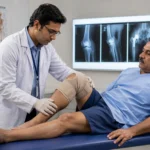
An orthopaedic doctor in Malad is the specialist trained to assess these problems, order the right tests, and guide treatment whether that’s rest and medication, a cast, physiotherapy, or referral for a procedure.
Key Benefits of Choosing a Dedicated Orthopaedic Care Centre
Choosing specialised care instead of managing an injury on your own offers real, practical advantages:
- Accurate diagnosis of bone, joint, and spine conditions with proper imaging
- Prompt treatment for fractures and injuries, which heal better when set correctly and early
- 24/7 trauma readiness for accidents that can’t wait
- In-house diagnostics so X-rays and tests happen without running from place to place
- Personalised treatment plans based on your age, activity level, and lifestyle
- Coordinated recovery, from emergency to treatment to rehabilitation
- Support for families managing an injured or elderly loved one
For residents of Malad and the western suburbs, having a Bone And Joint Hospital In Malad nearby means shorter travel when you’re in pain and for a fresh fracture, less delay usually means a smoother recovery.
Why Choose Specialised Orthopaedic Care
It’s tempting to “wait and see” with an aching joint or to assume a painful ankle is just a sprain. Sometimes that’s true. But bone and joint problems can be deceptive an untreated fracture can heal in the wrong position, and long-ignored joint pain can quietly worsen until simple movements become difficult.
A specialised Orthopaedic Care Centre In Malad exists because the musculoskeletal system is intricate and unforgiving of guesswork. Orthopaedic specialists know how to tell a minor strain from a serious injury, which imaging is needed, and when a problem can be managed conservatively versus when it needs more. Seeing the right specialist early gives you the best chance of a clear answer and a faster, fuller recovery.
How Orthopaedic Care Works: A Step-by-Step Look
If you’ve never visited an orthopaedic specialist, the process can feel intimidating. Here’s what it usually looks like at a Bone And Joint Hospital In Malad.
- Detailed history and conversation. The doctor asks about your pain or injury how it happened, where it hurts, what makes it better or worse, and your activity level and medical history.
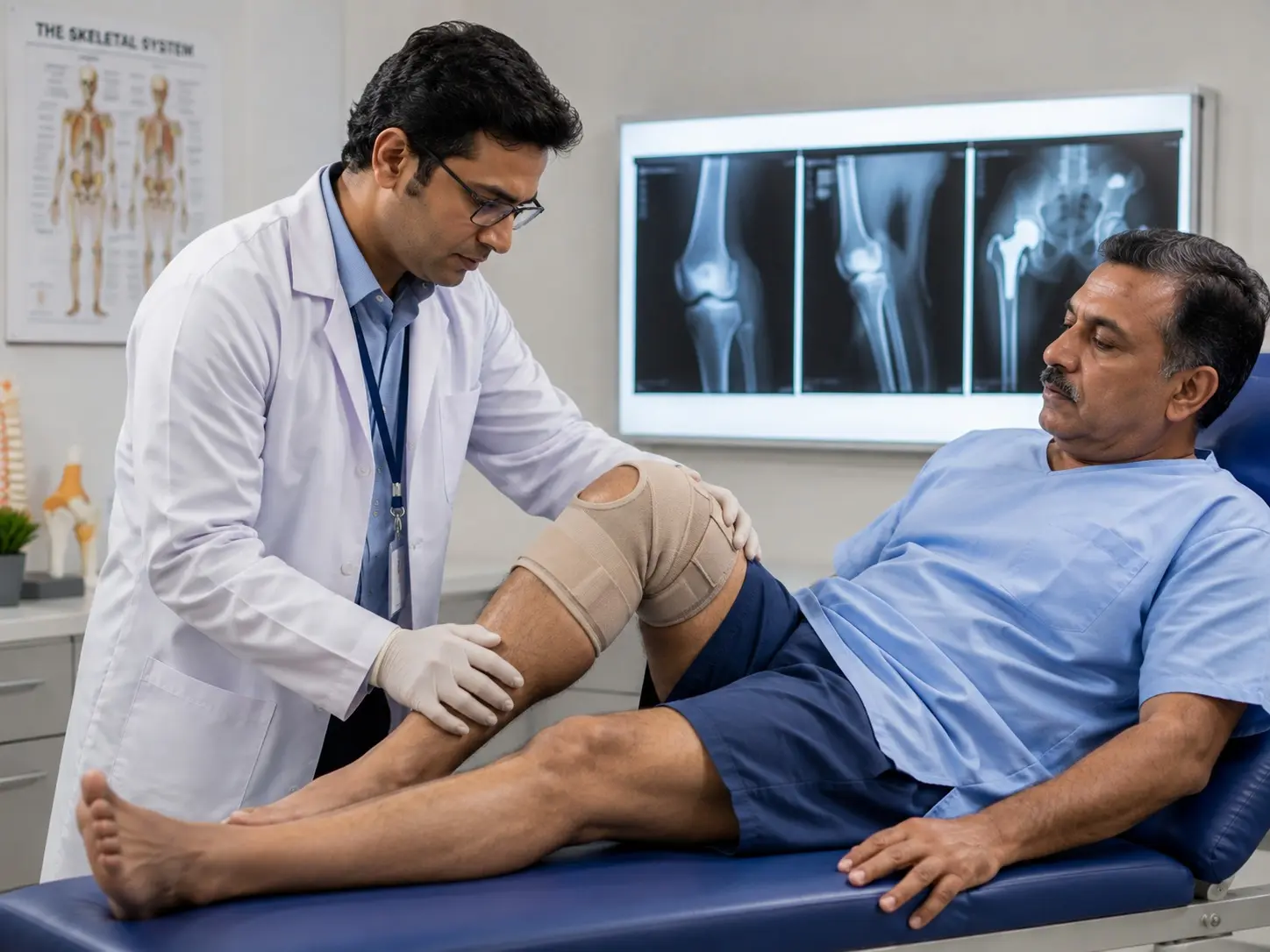
- Physical examination. A hands-on check of the affected area range of motion, strength, swelling, tenderness, and stability. It’s usually quick and tells the doctor a great deal.
- Diagnostic tests. Based on findings, the doctor may recommend imaging such as an X-ray (essential for fractures), and sometimes additional scans or blood tests. A hospital with in-house diagnostics makes this faster and less stressful.
- Diagnosis and explanation. The team explains what they’ve found in plain language what it means, and what it doesn’t.
- Treatment plan. This may involve rest, medication, a cast or brace, physiotherapy, injections, or referral for a procedure when needed.
- Rehabilitation and follow-up. Recovery from bone and joint problems is often gradual, so guided rehab and regular reviews help you regain strength and movement safely.
In a trauma situation like a serious fall or road accident this process compresses into urgent action, with rapid assessment, X-rays, pain relief, and stabilisation happening quickly. That’s why 24/7 emergency and trauma support matter so much for an Orthopaedic Care Centre In Malad.
Who Is Orthopaedic Care Ideal For?
Orthopaedic care isn’t only for accident victims. It’s for anyone whose bones, joints, or muscles are getting in the way of daily life. Consider seeing an orthopaedic doctor in Malad if you or a loved one experiences:
- A suspected fracture, dislocation, or injury after a fall or accident
- Joint pain, swelling, or stiffness that won’t settle
- Difficulty walking, climbing stairs, or lifting the arm
- Ongoing back or neck pain
- A sports injury or a twist/sprain that isn’t improving
- Reduced range of motion in a joint
- Pain that disturbs your sleep or limits your daily activities
- Concerns about arthritis or weakening bones with age
A serious injury with severe pain, visible deformity, inability to move a limb, or numbness is an emergency. Don’t wait go to the nearest emergency department, or in Malad, reach a fracture treatment in Malad facility that offers 24/7 trauma care.
The Deeper, Long-Term Benefits
Beyond fixing the immediate problem, good orthopaedic care pays off for years:
- Restored mobility and independence being able to walk, work, and move freely again
- Less long-term pain proper treatment prevents small problems from becoming chronic ones
- Protection against future injury with strengthening, rehab, and guidance
- Better bone health with age early attention to osteoporosis and joint wear helps you stay active longer
- A quicker return to the things you love sports, hobbies, playing with grandchildren
- Peace of mind for families, knowing there’s a plan and a Bone And Joint Hospital In Malad to turn to
Orthopaedic care is often as much about recovery and prevention as it is about the initial fix and that long game is where its real value shows.
Effectiveness and Results: What the Evidence Says
Let’s be honest: outcomes depend on the specific problem, how early it’s treated, your age, and your overall health. No responsible hospital can promise guaranteed results. But decades of medical experience consistently show that early, correct treatment leads to better healing and fewer complications across most orthopaedic conditions.
Fractures are a clear example. A broken bone that is properly aligned and stabilised early generally heals well, while a fracture that’s ignored or set incorrectly can heal in a poor position and cause lasting problems. This is exactly why quick access to a fracture treatment in Malad facility with 24/7 trauma care and in-house X-ray is so valuable.
Similarly, conditions like arthritis and chronic joint pain are highly manageable for most people with the right combination of medication, physiotherapy, lifestyle changes, and when appropriate procedures. The goal is comfort, movement, and getting your life back.
Side Effects and Risks: An Honest Look
Every treatment involves some considerations, and good care means talking about them openly. Depending on your condition and plan, these may include:
- Medication side effects. Pain relievers and anti-inflammatories can affect the stomach or other systems; doctors tailor these to you.
- Recovery time. Bones and soft tissues heal on their own schedule patience and following the plan are part of the treatment.
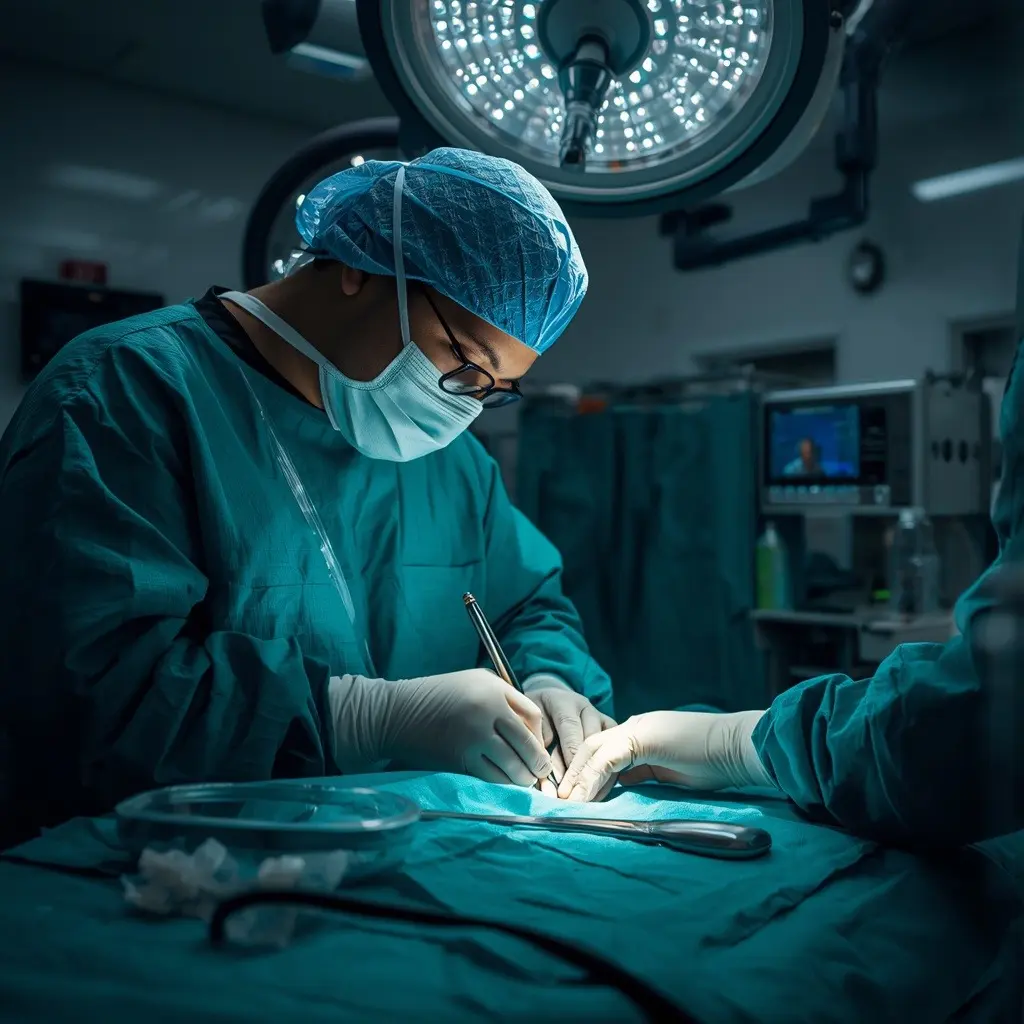
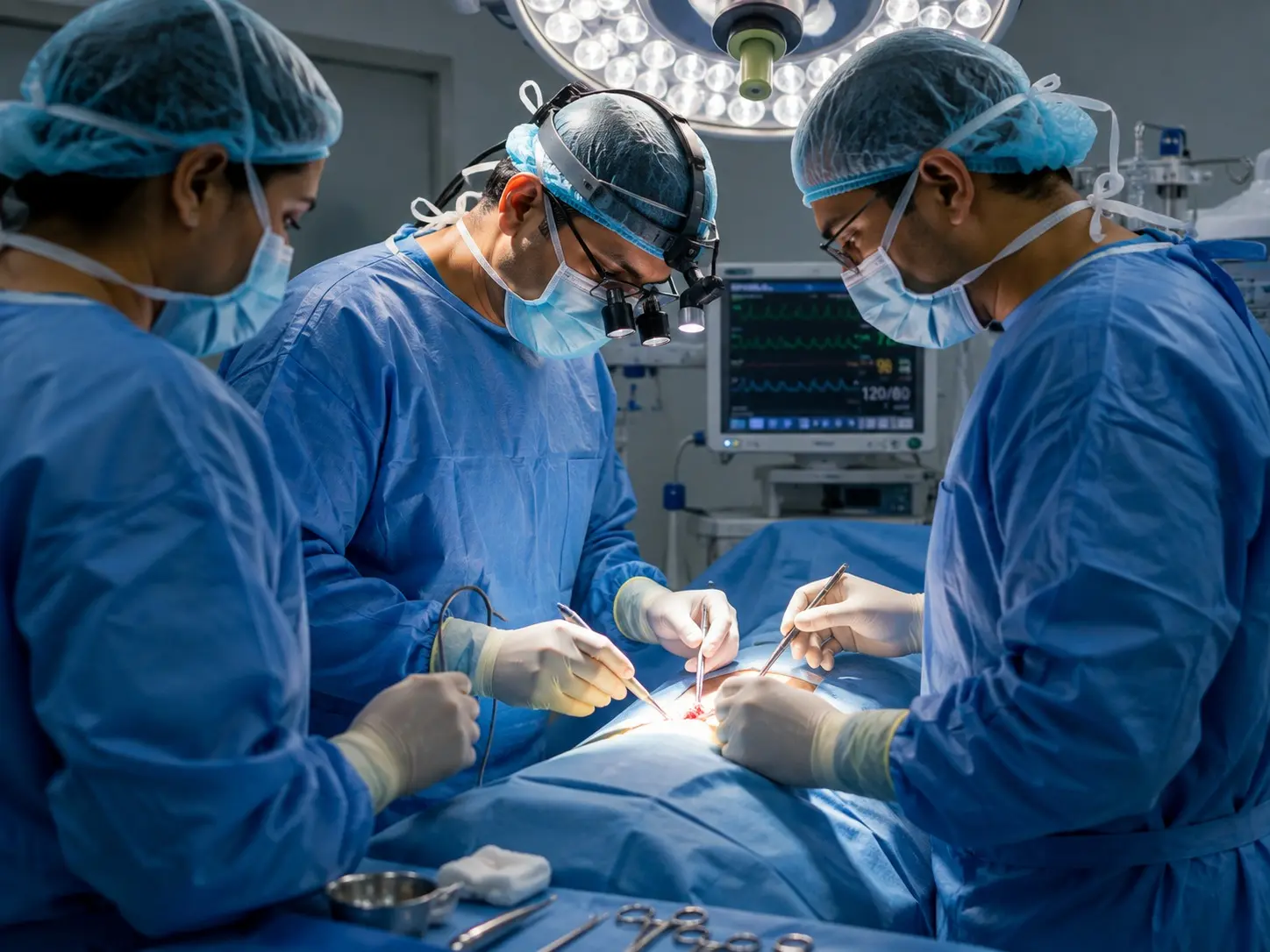
- Procedure-related risks. Any procedure carries some risk, such as infection or stiffness; your doctor will explain these clearly before you decide.
- The risk of waiting. Often the biggest risk is delay an untreated injury or a long-ignored joint problem tends to get harder to fix.
A trustworthy Orthopaedic Care Centre In Malad will always walk you through the pros and cons so you can give informed consent and feel comfortable with the path ahead.
How Orthopaedic Care Compares With Other Options
When facing bone or joint trouble, people generally weigh a few routes:
- Home remedies and rest alone. Fine for minor aches, but risky for anything that could be a fracture or a worsening joint problem.
- A general physician only. A reasonable first step, but many orthopaedic issues need a specialist’s assessment and imaging.
- Travelling far to a large tertiary centre. Excellent for very rare or highly complex cases, but long travel and delays are a real problem when you’re in pain or in an emergency.
- A local specialised Orthopaedic Care Centre In Malad. Combines specialist expertise, 24/7 trauma readiness, in-house diagnostics, and rehabilitation close to home often the most practical choice for suburban Mumbai residents.
For many families, a well-equipped local Bone And Joint Hospital In Malad offers the best balance of expertise, speed, and convenience reserving distant referrals only for the few cases that truly need them.
Understanding the Cost of Orthopaedic Care
Not knowing what treatment will cost is one of the most stressful parts of any injury. We won’t quote made-up figures, because the real cost depends entirely on your situation. Instead, here’s what actually shapes the bill so you can plan sensibly:
- The condition and its severity a single consultation and X-ray costs far less than surgery or a hospital stay.
- Diagnostic tests required imaging adds to the total; in-house diagnostics can reduce both cost and hassle by keeping everything in one place.
- Treatment type a cast or physiotherapy versus injections versus a procedure.
- Length of hospital stay, if admission is needed.
- Any implants or supports required for certain injuries or surgeries.
- Insurance coverage this can significantly reduce your out-of-pocket amount.
Imperial Hospital & Trauma Centre works with a range of health insurance providers, so it’s worth contacting the hospital to verify your coverage before your visit. For a transparent, situation-specific estimate, the most reliable step is simply to call and speak with the team they can guide you based on your actual needs rather than a generic price list.
Pre-Treatment and Recovery Tips
A little preparation makes appointments smoother and recovery faster.
Before your visit:
- Note how the injury happened, where it hurts, and what makes it better or worse.
- Bring any previous X-rays, reports, or a list of current medications.
- Don’t eat or drink if there’s any chance a procedure may be needed call ahead to ask.
- If you can’t put weight on a limb, arrange support to get to the hospital safely.
- Write down your questions so nothing is forgotten.
During recovery:
- Follow the RICE basics for minor injuries Rest, Ice, Compression, Elevation as advised.
- Take medications and use casts, braces, or supports exactly as instructed.
- Do your physiotherapy consistently; gentle, regular effort restores strength and movement.
- Don’t rush back to full activity returning too soon risks re-injury.
- Eat well, stay hydrated, and get enough calcium and vitamin D for bone healing, as advised.
- Attend all follow-up appointments, even when you feel better.
Is Hospitalisation Needed?
Not always and that’s reassuring. A great deal of orthopaedic care is outpatient: consultations, X-rays, casts, injections, physiotherapy, and follow-ups, after which you go home the same day.
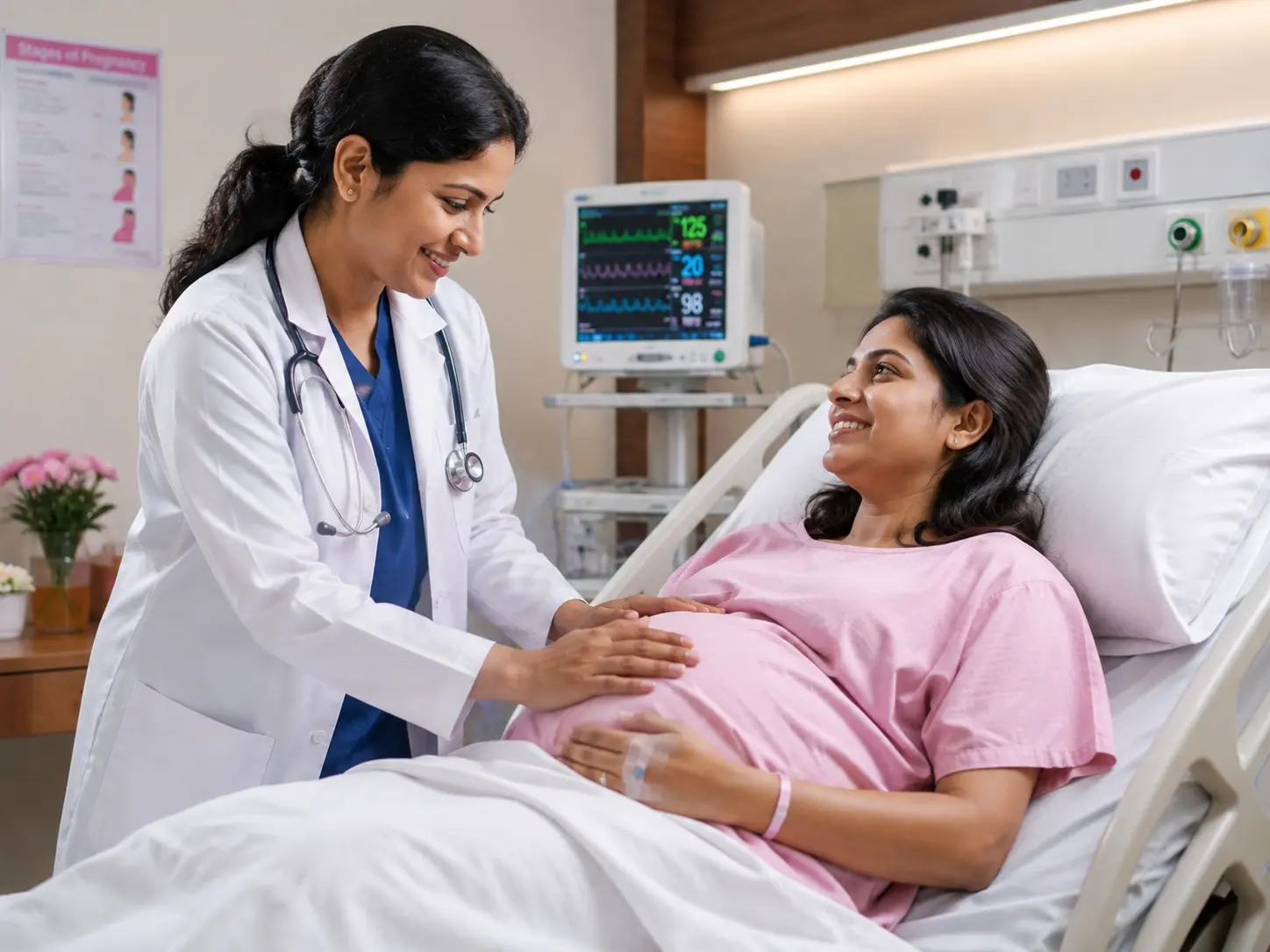
Inpatient care or ICU support becomes necessary for serious injuries, major surgeries, or multiple trauma situations that need close monitoring and round-the-clock care. This is where being a 50-bed super-speciality hospital with 24/7 trauma services and a modern ICU genuinely matters: patients can move smoothly from emergency to treatment to recovery without being transferred elsewhere during a painful, stressful time.
Your doctor will always explain why a particular level of care is recommended, so you understand the reasoning behind it.
Why Choose Imperial Hospital & Trauma Centre
When it comes to bones and joints, families want a place that is both capable and caring. Here’s what Imperial Hospital & Trauma Centre offers as an Orthopaedic Care Centre In Malad:
- A 50-bed super-speciality hospital in Malad (East), with multiple specialities under one roof
- 24/7 emergency and trauma care, so help is available the moment an accident or fracture happens
- A modern ICU, for patients who need close, critical monitoring
- Comprehensive in-house diagnostics, including X-ray, reducing delays during a stressful time
- A patient-first, compassionate approach, with clear communication and dignity for every patient
- A convenient location on the Western Express Highway in Malad (East), easy to reach from across the western suburbs
For anyone searching for reliable bone and joint care or even the best orthopaedic hospital in Mumbai for their family the combination of local access, trauma readiness, and coordinated care makes a meaningful, practical difference.
Conclusion: Don’t Let Bone or Joint Pain Hold You Back
Bone and joint problems have a habit of quietly narrowing your life until standing, walking, or simply sleeping through the night becomes a struggle. The kindest and smartest thing you can do, for yourself or someone you love, is to get expert help early rather than waiting for things to worsen.
A dedicated Orthopaedic Care Centre In Malad brings together specialist knowledge, 24/7 trauma support, ICU care, and in-house diagnostics to give you a clear diagnosis and a plan to get moving again. You don’t have to push through the pain alone, and you don’t have to travel far to find capable, compassionate care.
If you or a family member is dealing with an injury, joint pain, or a suspected fracture or you simply want expert guidance reach out to Imperial Hospital & Trauma Centre.
- Call us: +91 7208805148
- Visit us: Gr. Floor, Office No. 2, 7, 8, Sethia Imperial Plaza, opp. Times of India, Western Express Highway, Malad (East), Mumbai – 400097
- Book an appointment to consult our team, or come straight to our 24/7 emergency and trauma department in an emergency.
In any serious injury with severe pain, deformity, or inability to move a limb, do not wait seek immediate medical care.
Frequently Asked Questions (FAQs)
1. What does an Orthopaedic Care Centre In Malad treat? An Orthopaedic Care Centre manages conditions of the bones, joints, muscles, ligaments, and spine including fractures, arthritis, joint pain, back and neck pain, sports injuries, sprains, dislocations, and osteoporosis.
2. When should I see an orthopaedic doctor in Malad? See a specialist for a suspected fracture or dislocation, joint pain or stiffness that won’t settle, difficulty walking or lifting, ongoing back or neck pain, or a sports injury that isn’t improving. Severe injuries with deformity or inability to move a limb are emergencies.
3. How do I know if a bone is fractured or just sprained? It can be hard to tell from symptoms alone, since both cause pain and swelling. An X-ray is usually needed to confirm a fracture, which is why prompt fracture treatment in Malad with in-house imaging is helpful.
4. Do I always need surgery for bone and joint problems? No. Many orthopaedic problems are treated without surgery using rest, medication, casts or braces, injections, and physiotherapy. Surgery is recommended only when it’s the best option for your specific condition.
5. Is emergency and trauma care available 24/7 at Imperial Hospital? Yes. Imperial Hospital & Trauma Centre provides 24/7 emergency and trauma services along with a modern ICU, so help is available at any hour for accidents and injuries.
6. What is joint replacement surgery? Joint replacement surgery in Malad refers to procedures where a damaged joint commonly the knee or hip is replaced with an artificial one to relieve pain and restore movement. Whether it’s right for you depends on a specialist’s assessment.
7. How long does recovery from an orthopaedic injury take? It varies widely a minor sprain may settle in days, while a fracture or surgery can take several weeks to months of healing and rehabilitation. Following your treatment and physiotherapy plan is key to a full recovery.
8. Does Imperial Hospital accept health insurance? Yes, the hospital works with a range of insurance providers. It’s best to contact the hospital and verify your specific coverage before your visit.
9. How do I prepare for my first orthopaedic appointment? Note how the injury or pain started, bring any past X-rays and your medication list, wear comfortable clothing that allows examination of the affected area, and write down your questions in advance.
10. Where is the Orthopaedic Care Centre In Malad located? Imperial Hospital & Trauma Centre is located at Gr. Floor, Office No. 2, 7, 8, Sethia Imperial Plaza, opp. Times of India, Western Express Highway, Malad (East), Mumbai – 400097. You can call +91 7208805148 for appointments or emergencies.